Krithi Karanth: ‘My childhood passion is now a lifetime commitment’
Wildlife conservationist Krithi Karanth was barely walking when her father first carried her into the jungles of India. Now, more than four decades later, she leads one of the country’s most respected conservation organisations — and she says the two facts are inseparable.
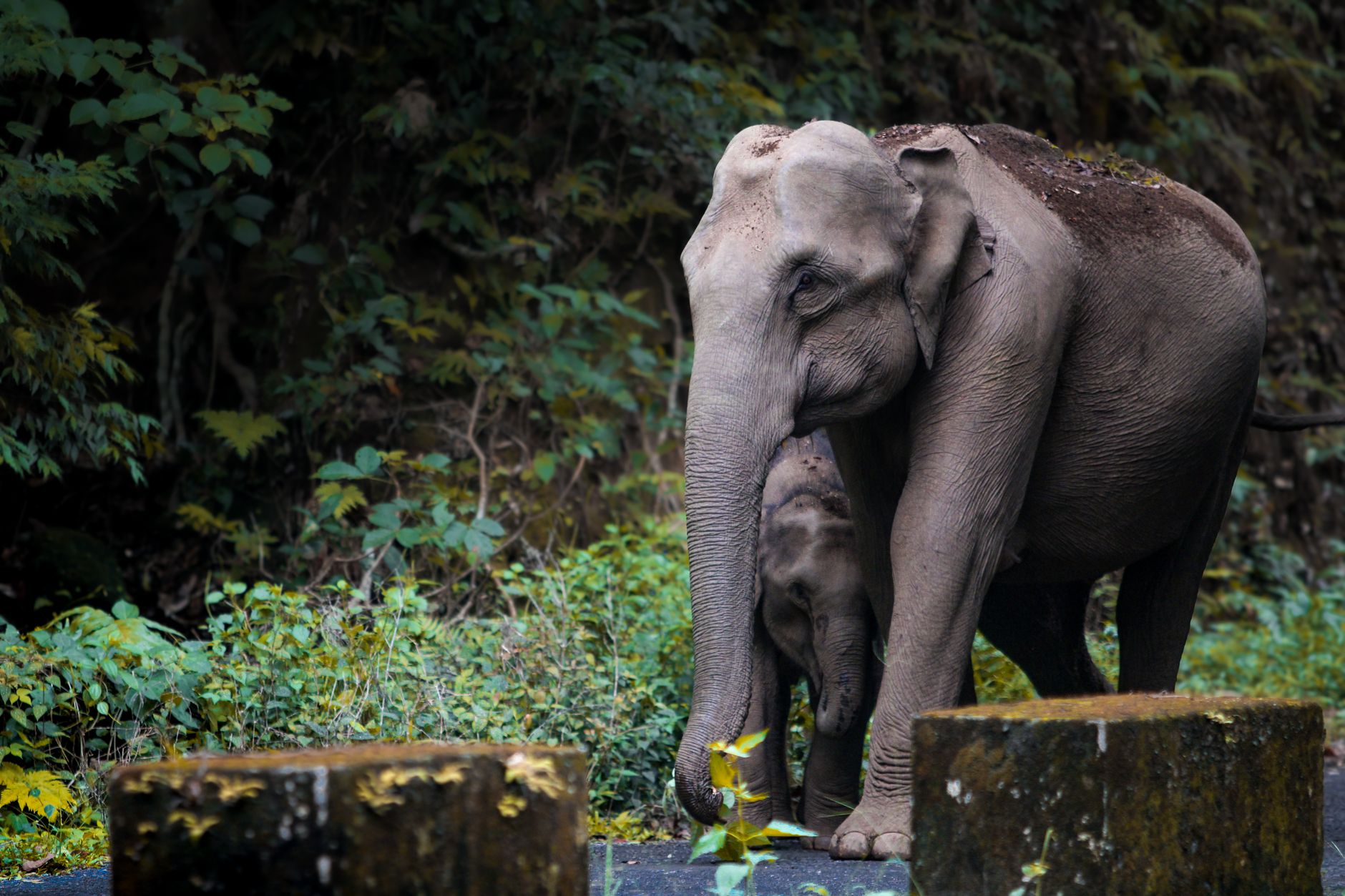
Speaking to FRANCE 24’s Perspective, the CEO of the Centre for Wildlife Studies (CWS) in India described how her father, renowned wildlife biologist Ullas Karanth, spent 17 years nurturing her connection to the natural world. “My childhood passion is now a lifetime commitment,” she said simply. And for Krithi, that commitment covers a remarkable range — from Asian elephants and Bengal tigers to honey bees.
A childhood spent in the jungle
Krithi Karanth’s education in conservation didn’t begin in a classroom. It began at age one, on forest trails, watching her father work. By the time she was a teenager, she wasn’t just observing wildlife — she was studying it. That early immersion shaped everything that followed.
She went on to earn a PhD in conservation biology and has since become one of the world’s most decorated environmentalists, collecting multiple international awards for her research and fieldwork across India’s complex and often fragile ecosystems.
Leading conservation from the ground up
As CEO of CWS, Karanth oversees projects that stretch across the Western Ghats and beyond. The organisation works directly with local communities — a point she’s emphatic about. Conservation, in her view, can’t succeed if it ignores the people living alongside wildlife.
Her team has documented human-wildlife conflict affecting thousands of families near protected areas. But rather than treating conflict as inevitable, CWS works to build compensation schemes, early-warning systems, and education programmes that give communities a real stake in protecting the animals they share land with.
It’s painstaking, slow work. Yet it’s the kind of work that lasts.
Protecting species big and small
The scope of Karanth’s conservation focus surprises many people. Yes, there are tigers and elephants — the so-called flagship species that attract international attention and donor funding. But she’s equally focused on pollinators like honey bees, whose decline threatens the agricultural systems millions of Indians depend on.
“Biodiversity doesn’t work in isolation,” one senior environmental policy adviser noted. “What people like Krithi Karanth understand is that you can’t protect a tiger without protecting the entire web of life it depends on.”
That systems-level thinking is increasingly what sets her apart in a field too often driven by single-species campaigns.
What comes next
Karanth is currently expanding CWS’s data-sharing work, building open-access wildlife databases that Indian researchers and policymakers can use to make faster, evidence-based decisions. She’s also pushing for stronger legal protections for wildlife corridors — the connective tissue between protected areas that animals need to survive climate shifts.
She turned 45 this year. By most measures, she’s still in the middle of her career. And if her first four decades are any guide, the jungle she walked into at age one still has plenty more to teach her.