
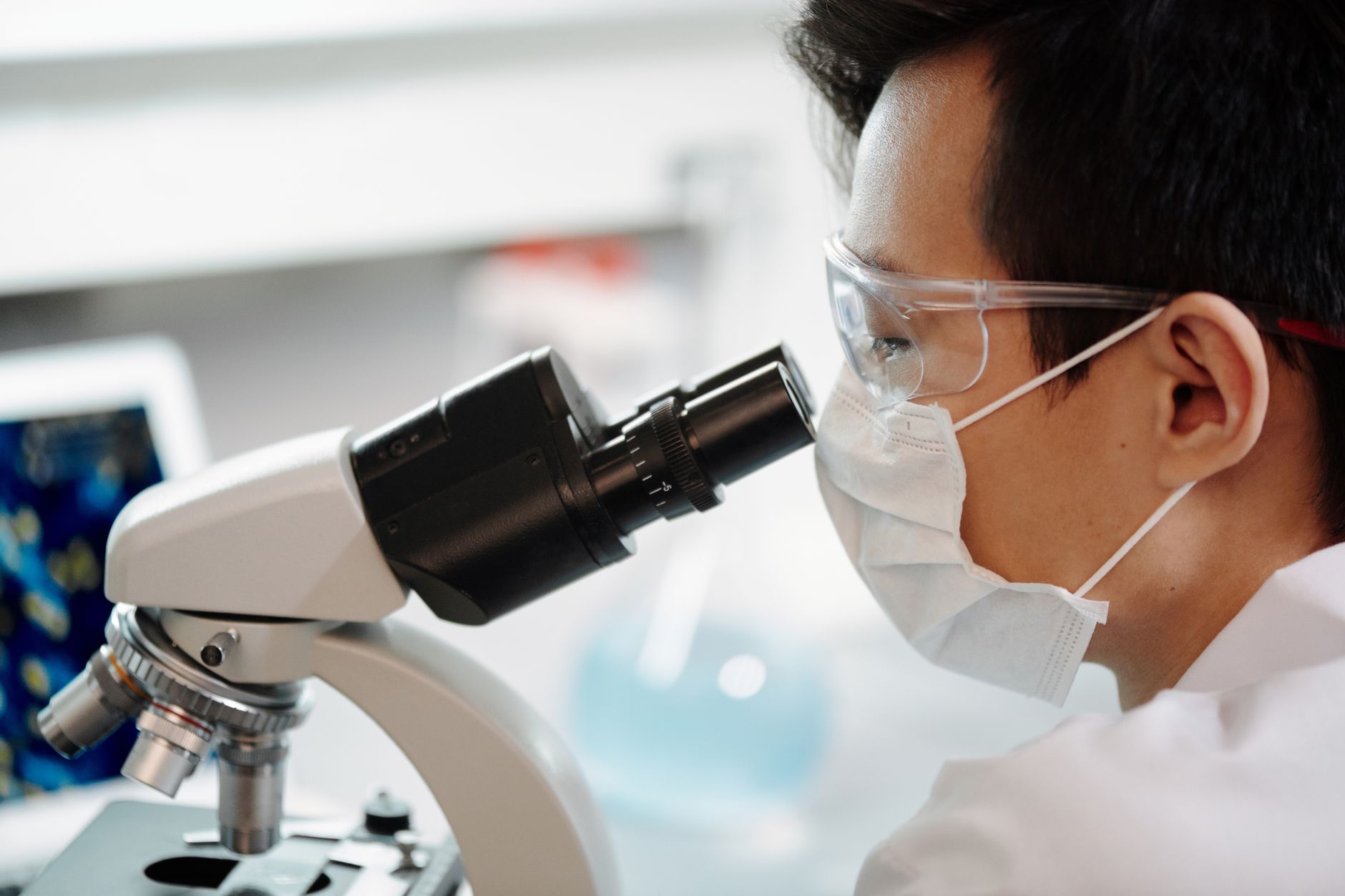
Explosive diarrhoea outbreak source still unknown after false positive test
A key laboratory test that appeared to identify the source of a widespread explosive diarrhoea outbreak across the United States has come back as a false positive, the Food and Drug Administration confirmed this week, leaving investigators no closer to pinpointing what’s actually making people sick.
What the FDA said
The FDA announced that an earlier test result, which had pointed toward a specific food source as the likely carrier of the Cyclospora cayetanensis parasite, could not be validated upon further analysis. The agency said the result didn’t hold up under repeat testing, meaning the trail has effectively gone cold. It’s a significant setback for an investigation that had already stretched over several weeks.
“We are continuing to work with state and local health partners to identify the source of this outbreak and protect public health,” an FDA spokesperson said in a statement released Tuesday.
Scale of the outbreak
As of the latest figures, more than 600 confirmed cases of cyclosporiasis have been reported across at least 14 states, with the heaviest concentrations in Texas, Wisconsin, and Iowa. The illness, caused by ingesting food or water contaminated with the microscopic parasite, typically triggers profuse watery diarrhoea, stomach cramps, nausea, and fatigue that can last anywhere from a few days to several weeks if left untreated.
Hospitalizations have been recorded in roughly 8% of confirmed cases. No deaths have been officially linked to the outbreak so far.
Why false positives happen
Tracking down Cyclospora is notoriously difficult. The parasite is present in tiny quantities in contaminated food, and testing methods can pick up environmental noise that mimics a real signal. That’s exactly what appears to have happened here. Labs run multiple rounds of confirmation precisely because a single positive result isn’t enough — but the pressure to identify a source quickly during an active outbreak can sometimes shorten that process.
Still, health officials stressed that the false positive doesn’t mean the investigation is starting over entirely. Epidemiological data collected through patient interviews and food purchase records remains intact and is still being analyzed.
What people should know now
Without a confirmed source, the FDA and the Centers for Disease Control and Prevention are not issuing any specific food recalls or warnings at this stage. That leaves consumers in an uncomfortable position — aware that an outbreak is happening but without any concrete guidance on what to avoid.
The advice right now is frustratingly general: wash all fresh produce thoroughly, be cautious with any raw fruits or vegetables, and seek medical attention if symptoms develop.
Investigators say they expect additional test results within the next 10 to 14 days. Whether those results will finally deliver a definitive answer — or produce yet more uncertainty — remains to be seen. For now, the source of one of this year’s most disruptive foodborne illness outbreaks is still a mystery.