Houthi rebels attack Saudi tankers as Red Sea tensions explode
Houthi rebels claimed responsibility Wednesday evening for attacks on two Saudi oil tankers in the Red Sea, dramatically escalating a crisis that now stretches from Yemen’s coastline to the Strait of Hormuz. The strikes came as U.S. forces continued their own offensive operations against Iranian targets, and Iran’s Revolutionary Guards announced Thursday they had seized three oil tankers attempting to transit the strait.
What happened in the Red Sea
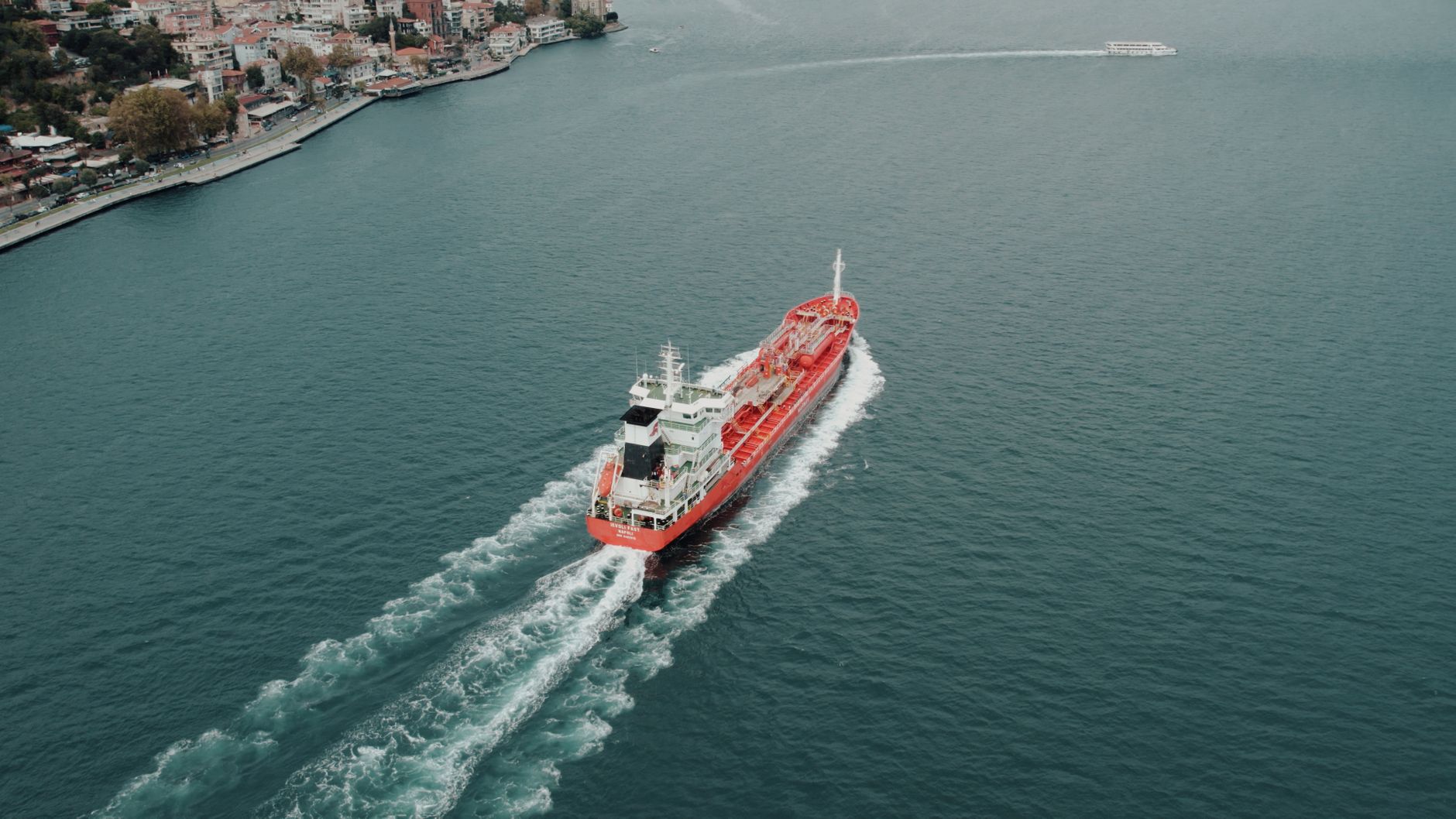
The two targeted Saudi vessels were struck in separate incidents within hours of each other, according to Houthi military spokesman Yahya Sarea, who broadcast the claims on the group’s Al-Masirah television channel late Wednesday. Sarea didn’t specify the exact method of attack, but Houthi forces have previously used waterborne drones and anti-ship missiles in similar operations. Saudi Aramco and Riyadh’s energy ministry hadn’t issued formal statements as of Thursday morning. Still, shipping insurers immediately flagged the incidents, and Lloyd’s of London war-risk premiums on Gulf routes spiked within hours.
Iran moves in the Strait of Hormuz
The Revolutionary Guards’ announcement that they had stopped three tankers near the Strait of Hormuz sent fresh shockwaves through oil markets. Brent crude jumped $4.30 a barrel in early Asian trading Thursday, briefly touching $94.15. The strait carries roughly 20 percent of the world’s daily oil supply. Closing it — even partially, even temporarily — would be catastrophic for global energy markets. Iran described the seizures as a response to “hostile actions” by the United States and its regional partners, though it offered no further detail on the vessels’ nationalities or cargo.
A senior U.S. Navy official, speaking on condition of anonymity because operational details remain classified, said American forces in the region are “actively monitoring the situation and prepared to ensure freedom of navigation.”
U.S. strikes against Iran continue
Washington’s military campaign against Iranian targets has now entered its third consecutive day. The Pentagon confirmed Thursday that strikes hit at least six sites, including what officials described as drone manufacturing facilities and weapons storage depots used by Iranian-backed militias across the region. But the attacks haven’t visibly deterred Tehran. If anything, the pace of Iranian proxy activity appears to have accelerated since the U.S. campaign began.
The Houthi attacks on Saudi tankers mark a direct strike against Saudi economic infrastructure — a significant escalation that Riyadh will find very difficult to ignore.
What comes next
Diplomatic channels are under intense strain. Emergency consultations were called Thursday at the United Nations Security Council, where Western nations are expected to push for a resolution condemning the tanker attacks. Russia and China are likely to complicate that effort. Saudi Arabia, for its part, hasn’t ruled out a military response but is understood to be assessing its options carefully, wary of triggering a broader regional war it would inevitably be drawn into. The next 48 hours will be critical. Markets, navies, and governments around the world are watching closely and waiting.