Camels in Africa struggle to survive record-breaking heat
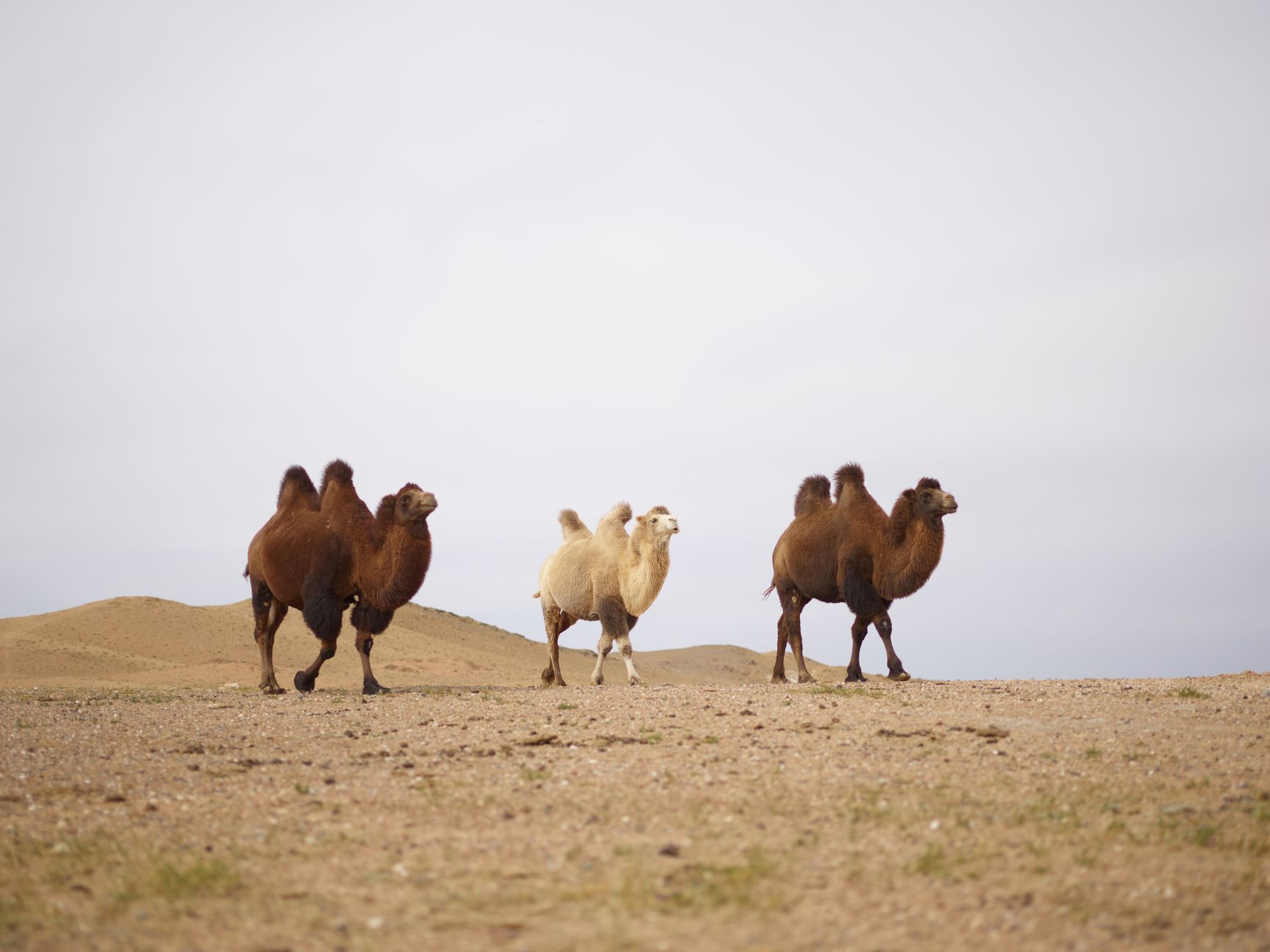
Camels have crossed the Sahara for thousands of years, earning their reputation as the ultimate survivors of the desert. But now, even these extraordinary animals are buckling under temperatures that herders say they’ve never seen before.
Across the Horn of Africa and the Sahel, rising heat is hitting camel populations hard. Animals are losing weight, producing less milk, and dying young. For communities that depend on camels for food, income, and transport, the losses are devastating.
Herders describe animals struggling like never before
Mohammed Warsame, a camel herder in northern Somalia, has tended his herd for over 30 years. He says something has fundamentally changed. “The camels aren’t eating properly. They walk and walk looking for pasture and they find nothing. Then they collapse.” He lost 11 animals last year alone during a brutal dry spell when temperatures regularly exceeded 48°C.
It’s not just Somalia. From Mali to Kenya, herders are reporting similar patterns — longer droughts, shorter recovery windows, and heat events arriving earlier in the season than expected. Camels can typically tolerate temperatures up to around 40°C with relative ease. Beyond that, their ability to regulate body temperature starts to break down.
What the science says about heat stress in camels
Veterinary researchers tracking livestock health across the Sahel say the data is alarming. Camel milk production in some monitored herds dropped by as much as 30% during peak heat periods in 2023. Calf survival rates have also declined sharply in regions where the mercury has stayed unusually high for extended stretches.
Still, camels remain more resilient than cattle or goats. That’s actually part of the problem. Because herders historically relied on camels as their last line of defence during droughts, many have already switched to camel-heavy herds. Now their fallback option is failing too.
A livelihood crisis, not just an animal welfare issue
This isn’t only about camels. It’s about people.
In the drylands of Ethiopia and northern Kenya, families sell camel milk at local markets as their primary source of cash income. When herds suffer, households lose everything. Some women who run small camel milk businesses say their earnings have halved over the past two seasons.
A spokesperson for the Food and Agriculture Organization warned that “the deterioration of camel health across the Sahel and East Africa represents a serious food security risk for millions of pastoralist families who have few other economic options.”
What comes next — and whether help will arrive in time
Researchers are urging governments and aid organisations to invest in heat-resilient fodder crops, mobile veterinary units, and early warning systems tied to livestock health. Some pilot programmes in Kenya are already testing drought-adapted feed supplements. But scaling them up takes money and political will that hasn’t always materialised.
For Mohammed and herders like him, the future looks uncertain. The animals that once defined life in the desert are running out of desert they can endure.