French solidarity rises as monster fires tear through the south
As monster fires ripped through thousands of hectares of forest across southern France, something else spread just as fast — a wave of ordinary people refusing to stand by and do nothing. In villages, parking lots, and community halls, neighbors turned strangers into family overnight.
Firefighters on the front line
More than 2,500 firefighters have been deployed across the affected regions, working 12-hour shifts in temperatures exceeding 40°C. Aerial water bombers made over 180 drops in a single 24-hour period last week alone. It’s brutal, relentless work. And yet, on the ground, the mood among emergency crews shifted noticeably when local residents started showing up with cold water, sandwiches, and fresh fruit by the truckload.
“We didn’t ask for it, but it changes everything,” said one regional fire service coordinator. “When you come off a shift and someone’s waiting with a hot meal, you feel less alone in this.”
Shelter and essentials organized in hours
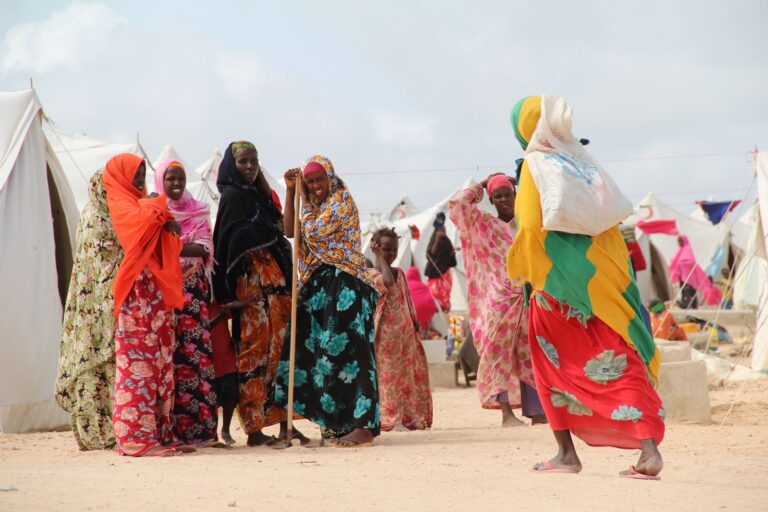
Entire villages were evacuated with less than an hour’s notice. Families grabbed documents and pets and left. Some had nowhere to go. But community centers in Bordeaux, Landiras, and La Teste-de-Buch opened their doors within hours. Over 3,600 evacuees were housed in emergency shelters at the peak of the crisis, according to local prefecture figures. Volunteers organized mattress donations, children’s clothing drives, and even temporary kennels for displaced animals.
Social media did a lot of the heavy lifting. Local Facebook groups and WhatsApp threads buzzed with offers — a spare bedroom here, a bag of groceries there. One group in the Gironde department had over 11,000 members by day three of the fires.
Food, water, and small acts of defiance
At a makeshift relief point on the outskirts of Belin-Béliet, volunteers handed out water bottles, sunscreen, and energy bars to both evacuees and exhausted firefighters. Tables were covered in homemade tarts and casseroles. A retired baker drove 40 kilometers each morning to bring fresh bread. He didn’t want his name published. “It’s just bread,” he said, and walked back to his van.
Still, these gestures carry weight. They always do in a disaster.
Supermarkets donated pallets of bottled water and ready-made meals. A local brewery supplied 600 liters of soft drinks free of charge. Farmers with wells offered water access to firefighting teams when tanker logistics broke down. It wasn’t glamorous. But it worked.
What comes next
The fires have scorched over 20,000 hectares so far, making them among the worst in France in more than two decades. Firefighters say containment is improving, but the risk won’t disappear until temperatures drop and winds ease — and forecasters aren’t promising that anytime soon.
Relief organizations are already shifting focus toward longer-term recovery. Housing support, psychological care, and financial aid for displaced families are all being lined up. The solidarity that flared up in the first desperate days will need to sustain itself for months to come. So far, there’s no sign it’s burning out.