Aid reaches hundreds of thousands in Gaza amid food crisis
Humanitarian agencies have delivered food and essential supplies to more than 300,000 people across Gaza over the past two weeks, even as aid workers warn that the scale of need far outpaces what’s currently getting through. The food insecurity gripping the territory has reached catastrophic levels, with the UN estimating that nearly half a million people are facing famine-like conditions.
What’s getting in — and what isn’t
Convoys carrying flour, canned goods, water purification tablets, and infant formula have entered Gaza through the Kerem Shalom and Rafah crossings, though shipments remain inconsistent. Some days, fewer than 30 trucks make it through. Aid organizations say they need at least 500 trucks daily to begin meeting the population’s basic needs. That gap is enormous. And it’s costing lives.
The World Food Programme confirmed it distributed rations to approximately 320,000 individuals last week alone, prioritizing northern Gaza, where access has been most severely restricted. Still, distribution points are overwhelmed. Families have reportedly waited hours — sometimes entire days — for a single bag of flour.
Families pushed to the edge
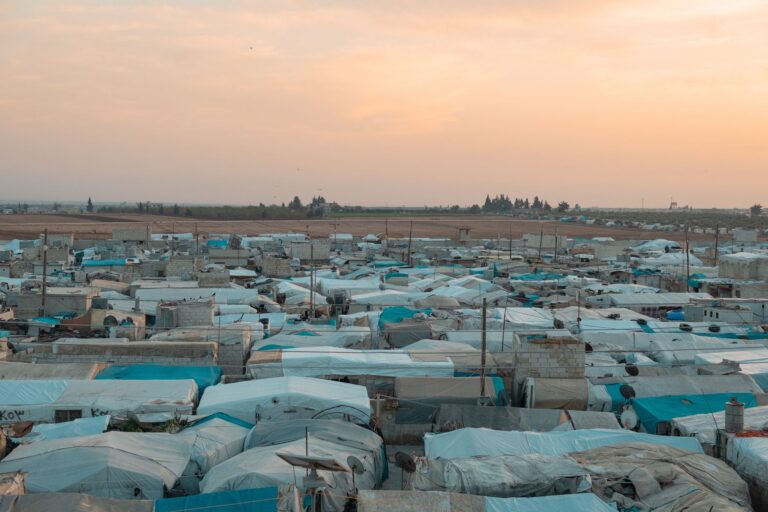
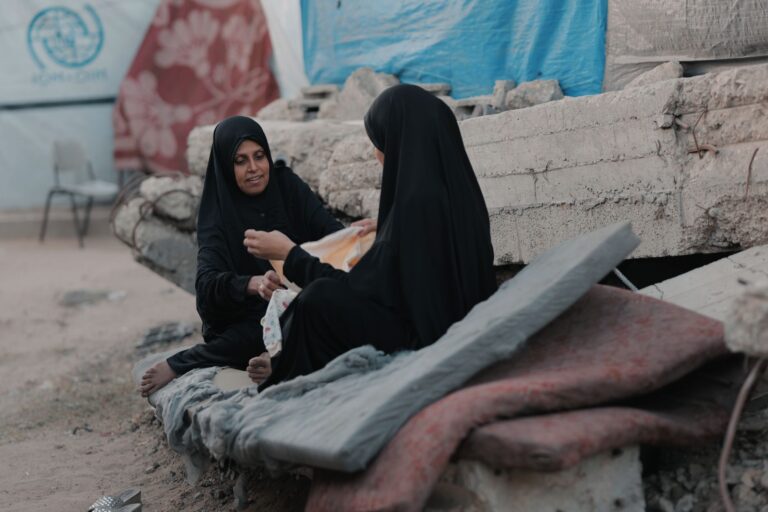
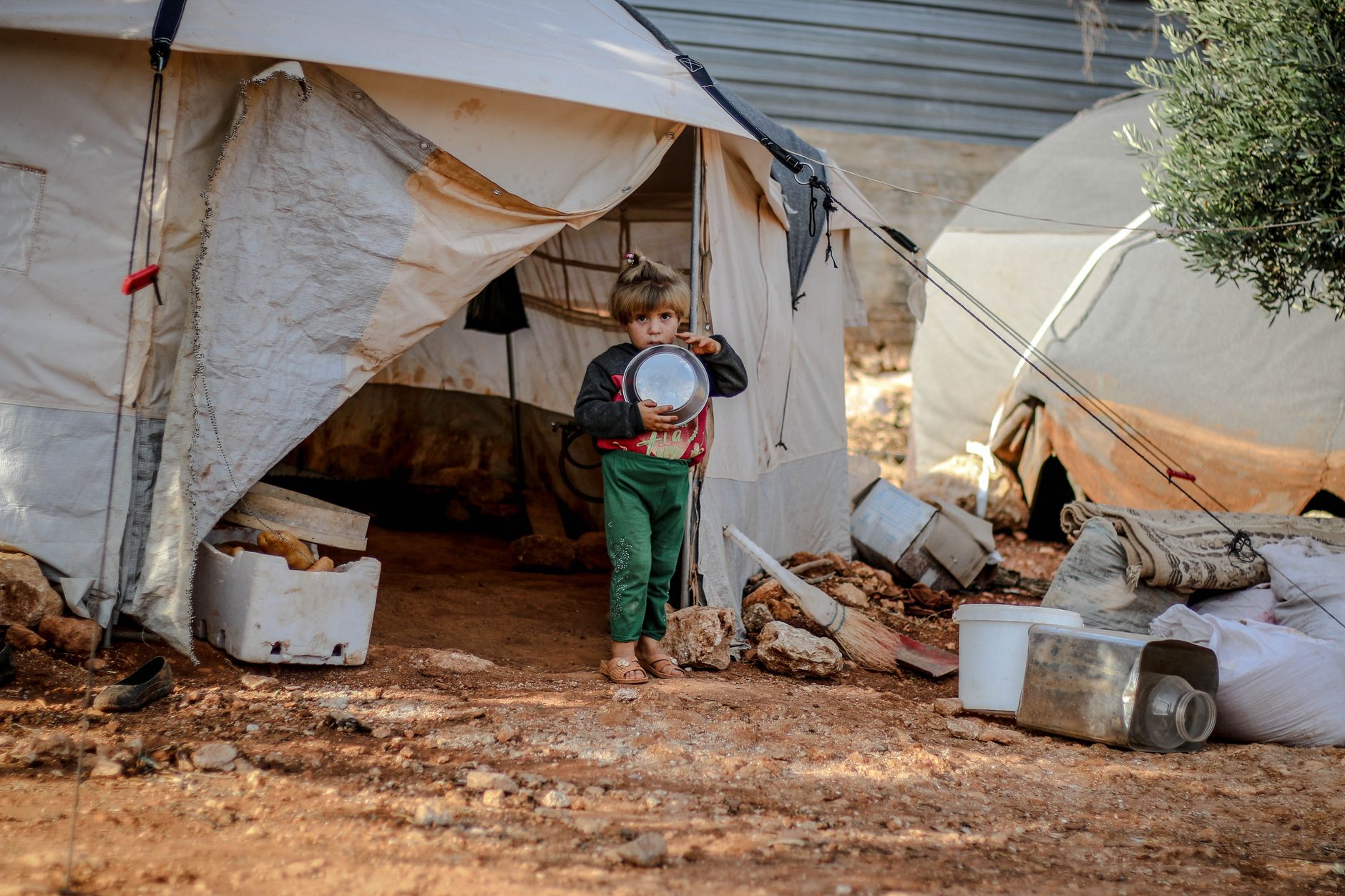
In shelters across central Gaza, displacement has compounded hunger. Many families have moved three or four times since October 2023, losing whatever food stocks they had each time. Children under five are particularly vulnerable. UNICEF has flagged a sharp rise in acute malnutrition cases in recent months, with thousands of children now requiring therapeutic feeding.
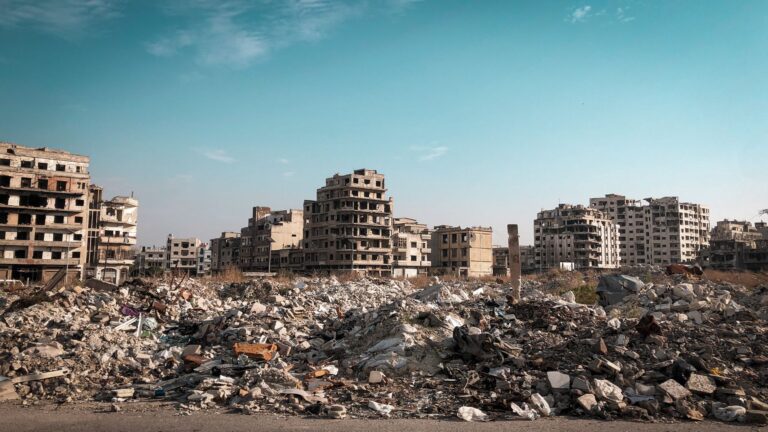
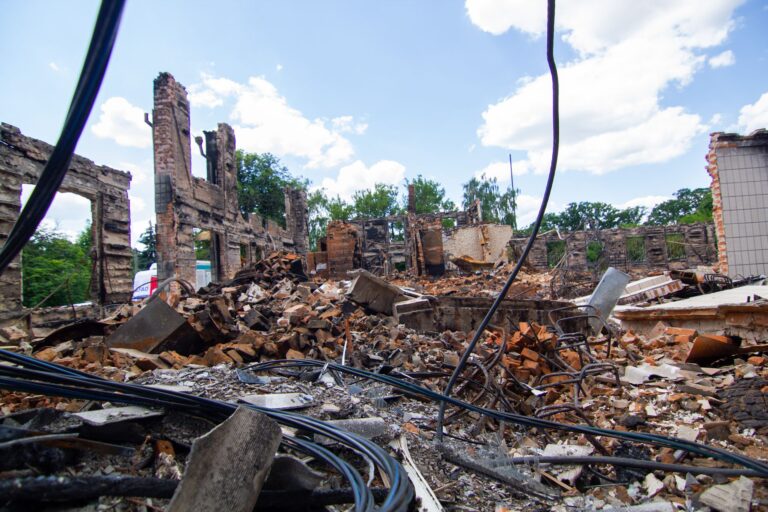
It’s not just food. Clean water is scarce. Medical supplies are running critically low. And the destruction of bakeries, markets, and storage facilities means that even when aid arrives, there’s little local infrastructure left to distribute or prepare it.
‘The need is unlike anything we’ve seen’
“The need is unlike anything our teams have seen in decades of humanitarian work,” said a senior official with a UN relief agency operating in the territory. “We are doing everything we can to scale up, but access remains the central obstacle.”
Getting aid in requires navigating active conflict zones, damaged roads, and a complicated series of coordination approvals. Aid workers say bureaucratic delays have caused shipments of ready-to-eat meals to spoil before reaching their destinations.
International pressure and what comes next
Several governments have ramped up funding pledges in recent weeks. The United States announced an additional $53 million in humanitarian assistance for Gaza, while the European Union committed €25 million specifically for food aid. But money isn’t the bottleneck right now. Access is.
Agencies are pushing for more consistent and guaranteed humanitarian corridors, arguing that without predictable access, any surge in supplies will remain piecemeal.
The coming weeks will be critical.
Aid groups say that if access doesn’t improve heading into the summer months, when heat accelerates food spoilage and water demand spikes, the situation could deteriorate well beyond current projections. For hundreds of thousands of people in Gaza, that’s not an abstraction. It’s the difference between eating and not.