Denise Cosco, mafia whistleblower who testified against father, dies
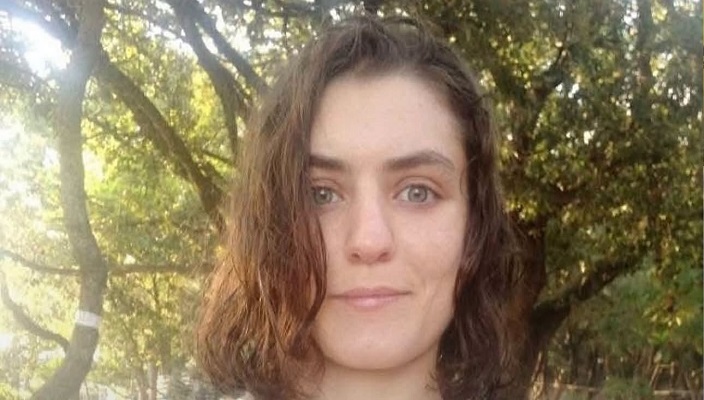
Denise Cosco, the Italian woman who became a symbol of courage after testifying against her own father and the ‘Ndrangheta crime syndicate over the murder of her mother, has died. She was 43. Her death has stunned anti-mafia advocates across Italy and renewed painful questions about the toll that speaking out against organized crime exacts on those brave enough to do it.
A daughter’s impossible choice
Cosco’s mother, Maria Concetta Cacciola, died in August 2011 under circumstances that were initially ruled a suicide. She was 31 years old. Investigators later concluded she had been murdered, and the case became one of the most disturbing indictments of ‘Ndrangheta power in the Calabrian town of Rosarno. Denise, barely in her early twenties at the time, made the shattering decision to testify against her own father, Giuseppe Cosco, a senior figure in the clan. It’s a decision that defined the rest of her short life.
Giuseppe Cosco was convicted and sentenced to 18 years and 6 months in prison for his role in the killing. The trial laid bare the suffocating control the ‘Ndrangheta exercised over families within its orbit, including the women who tried to escape it.
A life lived under the shadow of trauma
After the trial, Denise struggled. That’s not surprising. She had lost her mother to violence, and then effectively lost her family again by testifying against them. Sources close to her said she never fully recovered from the psychological weight of those years. She reportedly relocated multiple times and lived with chronic health problems that friends attributed, at least in part, to prolonged stress and grief.
She never stopped speaking publicly about her mother’s story.
Anti-mafia organizations confirmed her death this week but did not immediately disclose the cause. “Denise paid an enormous price for her courage,” a spokesperson for an Italian anti-mafia advocacy group said. “Her testimony helped convict a powerful man. We cannot forget that.”
What her testimony meant
The case against the Cosco clan wasn’t just about one murder. It became a landmark moment in understanding how the ‘Ndrangheta treats women — not as members, but as property. Maria Concetta had attempted to flee the family and cooperate with authorities before she died. Her daughter finished what she started.
Denise’s willingness to take the stand against her father remains one of the starkest examples in recent Italian judicial history of a witness confronting a crime family from the inside. Prosecutors credited her testimony as central to the conviction.
The cost of speaking out
Italy’s anti-mafia commission is expected to acknowledge her death formally in the coming days. Advocates are already calling for Denise’s name to be added to official commemorations of mafia victims, arguing she gave her life to the cause in a very real sense, even if the end didn’t come with a bullet.
But the broader conversation her death reopens is urgent: what happens to the people who testify, after the courtroom lights go dark and the cameras leave?