Margaret Hamilton, Apollo software pioneer, dies at 90
Margaret Hamilton, the computer scientist whose work helped land Apollo 11 on the Moon, has died at the age of 90. MIT, her former employer, confirmed she died on 30 September. Hamilton led the team that developed the onboard flight software for Nasa’s Apollo missions, and she coined the term “software engineering”.
A trailblazer in computing
Hamilton joined MIT in 1959 and worked there until the mid-1970s. She managed the Software Engineering Division and led the team that wrote and tested all the in-flight software for Apollo 11. That software guided Neil Armstrong and Buzz Aldrin to a safe landing on the Moon. In a 2019 interview with the Guardian, she recalled: “I was attracted both by the sheer idea and the fact that it had never been done before. I was the first programmer to join and the first woman they hired.”
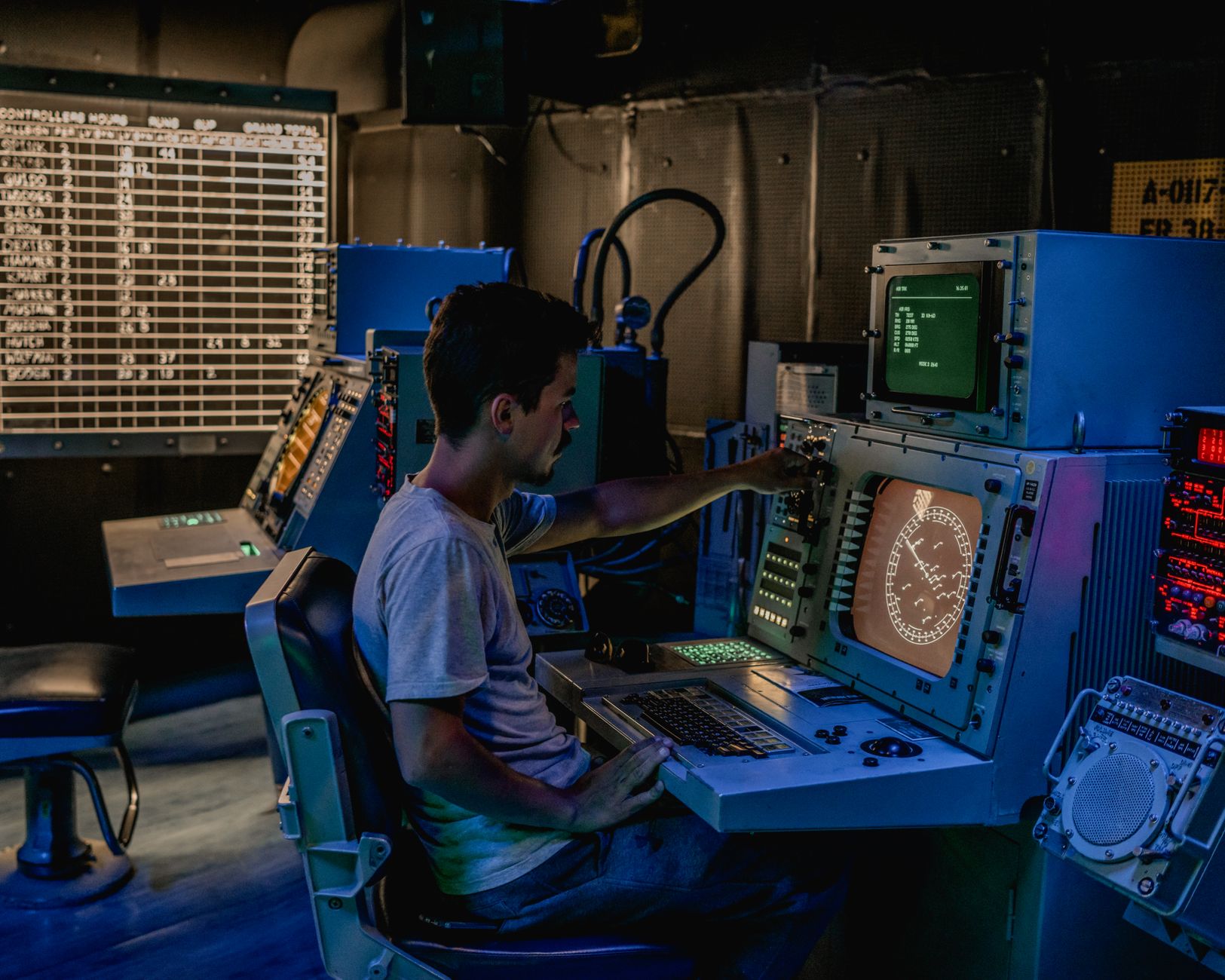
Moments before the Moon landing in 1969, the onboard computer raised an alarm signalling an error—it was overloaded. But Hamilton and her team had planned for such a scenario. They engineered priority-driven software that shut down background tasks and favoured the most important one: the Moon landing itself. MIT said in a statement: “To say Hamilton was a pioneer – to say she was ahead of her time – would be a dramatic understatement.”
Hamilton’s work was immortalised in a 1969 photograph showing her beside a stack of printed code towering over her. In 2016, Barack Obama awarded her the Presidential Medal of Freedom, saying she “symbolises that generation of unsung women who helped send humankind into space”. Born in Indiana in 1936, Hamilton studied mathematics at the University of Michigan and Earlham College, where she earned a BA in 1958. She moved to Boston a year later and took a job at MIT to support her husband during his law degree. From the 1970s, she founded her own software businesses, including Hamilton Technologies, which remains based in Massachusetts. She is survived by her daughter, son-in-law, two grandsons, and four great-grandchildren.