Iran and US make progress on Hormuz despite Trump’s threats
Iran and the US have reached a tentative agreement to keep the Strait of Hormuz open and preserve Lebanon’s fragile ceasefire, following 18 hours of talks in Switzerland that Vice President JD Vance described as having “laid a very good foundation.” The breakthrough came even as President Donald Trump publicly warned he would strike Iran “only harder” if negotiations failed — a rhetorical whiplash that left diplomats scrambling to reconcile the tone from Washington with the substance coming out of Geneva.
What was agreed in Switzerland
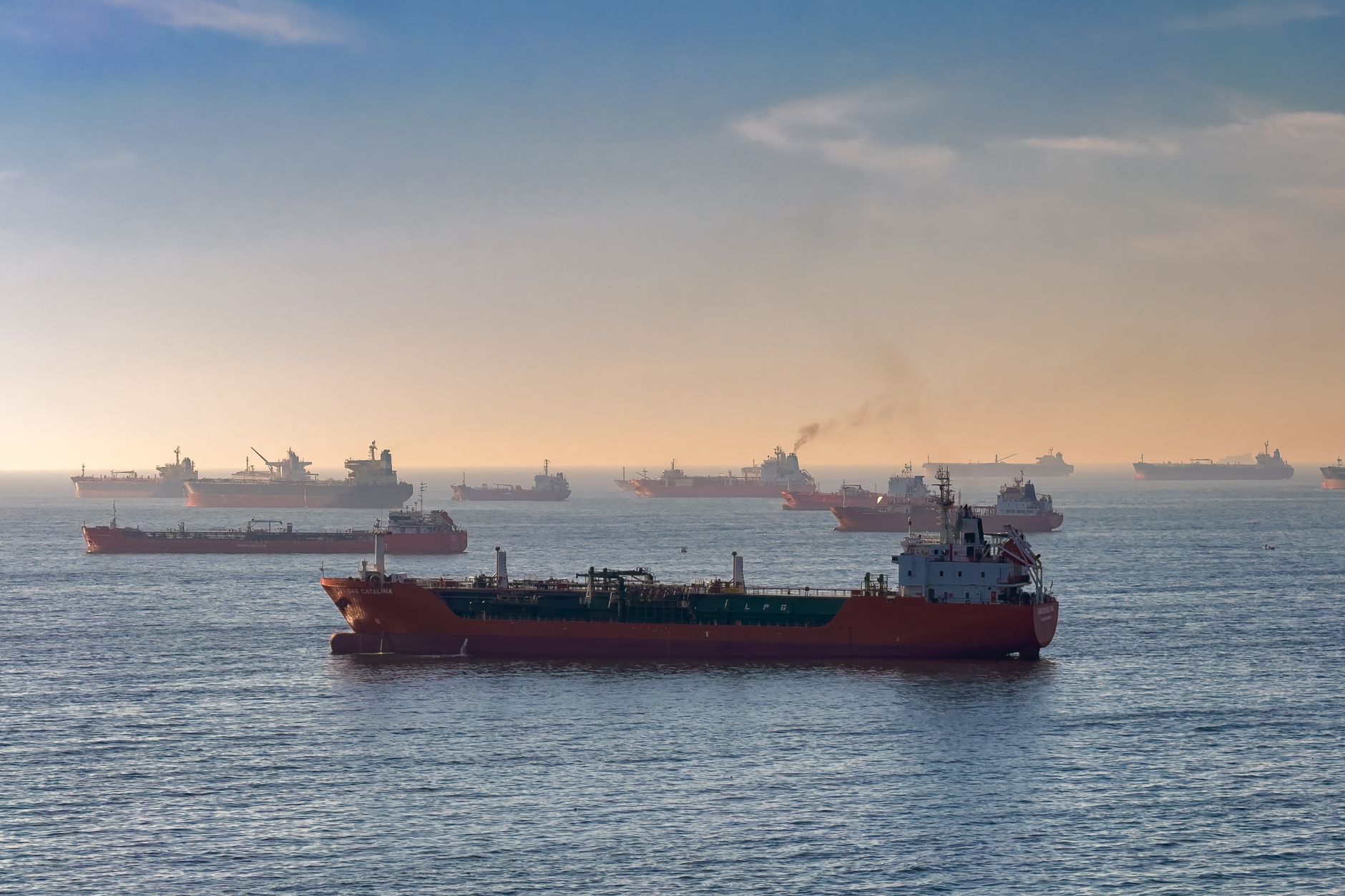
The two sides established a working mechanism to guarantee freedom of navigation through the Strait of Hormuz, the narrow chokepoint through which roughly 20% of the world’s oil supply passes each day. They also agreed on a joint framework to support Lebanon’s ceasefire, which has held — shakily — since November. Neither deal is legally binding yet, but officials on both sides characterized the talks as the most substantive direct engagement between Washington and Tehran in years. That’s not nothing.
Vance, speaking to reporters after the final session wrapped, called the discussions “serious and productive” and said negotiators had covered more ground in 18 hours than some expected in 18 months.
Trump’s threats hang over the talks
But the diplomatic mood music was complicated by Trump, who posted on Truth Social that any Iranian interference in global shipping would be met with a military response “far greater than anything previously imagined.” He didn’t elaborate. And the timing — posted midway through the Geneva sessions — sent a ripple of anxiety through the delegations.
Still, Iranian officials didn’t walk out. That itself was seen as significant by analysts watching the talks closely. One senior Western diplomat familiar with the negotiations said the Iranian team appeared to have arrived with a mandate to reach a deal, not just perform one.
“Both sides understand the stakes are too high for posturing alone,” the diplomat said.
Why Hormuz matters so much right now
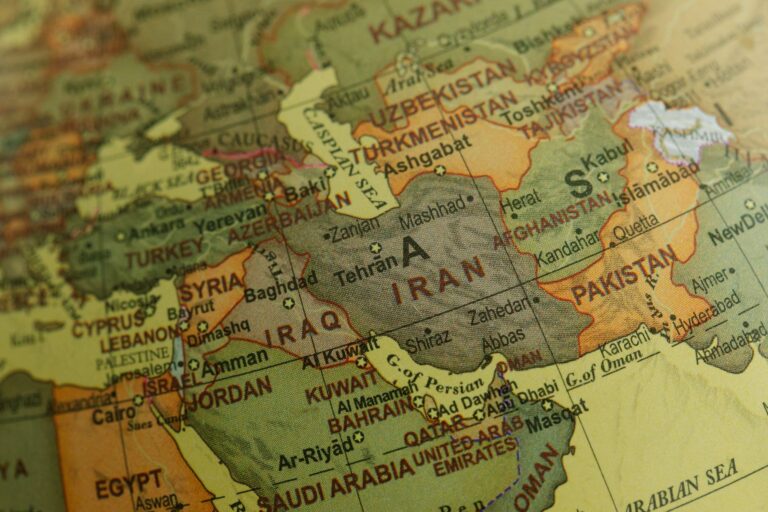
The Strait of Hormuz sits between Iran and Oman at its narrowest point — just 33 kilometres wide. Iran has threatened to close it multiple times over the past decade, most recently in early 2024 amid tensions over Gaza. A closure, even a partial one, would send oil prices soaring and shock global supply chains still recovering from post-pandemic disruptions. Getting any kind of agreed mechanism in place, however informal, reduces that risk meaningfully.
Lebanon’s ceasefire, meanwhile, has seen at least 14 reported violations since December. A joint framework to monitor and reinforce it could help prevent a collapse that would pull multiple regional actors back into open conflict.
What comes next
The next round of talks hasn’t been formally scheduled, but both sides have indicated they expect to meet again within three weeks. American and Iranian technical teams are expected to draft the specifics of the Hormuz mechanism before then. It’s a narrow window, and Trump’s unpredictability won’t make it easier. But for the first time in a while, there’s something concrete to work with.