Rangelands under threat as climate pressure mounts globally
In northern Kenya, a herder scans the sky for rain that hasn’t come. The grass his animals need is thinning by the day. His story isn’t unique — it’s playing out across billions of hectares of rangelands that quietly sustain life on every inhabited continent, and the world is only just beginning to pay attention.
A hidden backbone of global food systems
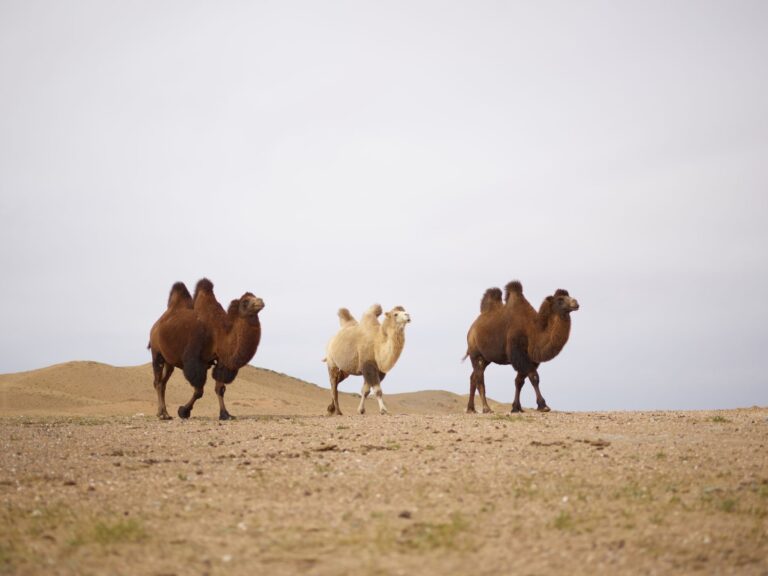
Rangelands — which include savannas, steppes, shrublands, and dry grasslands — cover roughly 54 percent of the Earth’s land surface. They support the livelihoods of an estimated 500 million people, many of them pastoralists who have grazed animals on these lands for generations. Yet they receive a fraction of the conservation funding directed at forests.
That’s a serious miscalculation. Rangelands store somewhere between 30 and 40 percent of the world’s terrestrial carbon. They filter water. They hold soil in place. And when they degrade, the consequences ripple outward — dust storms, failed harvests, forced migration.
Degradation is accelerating
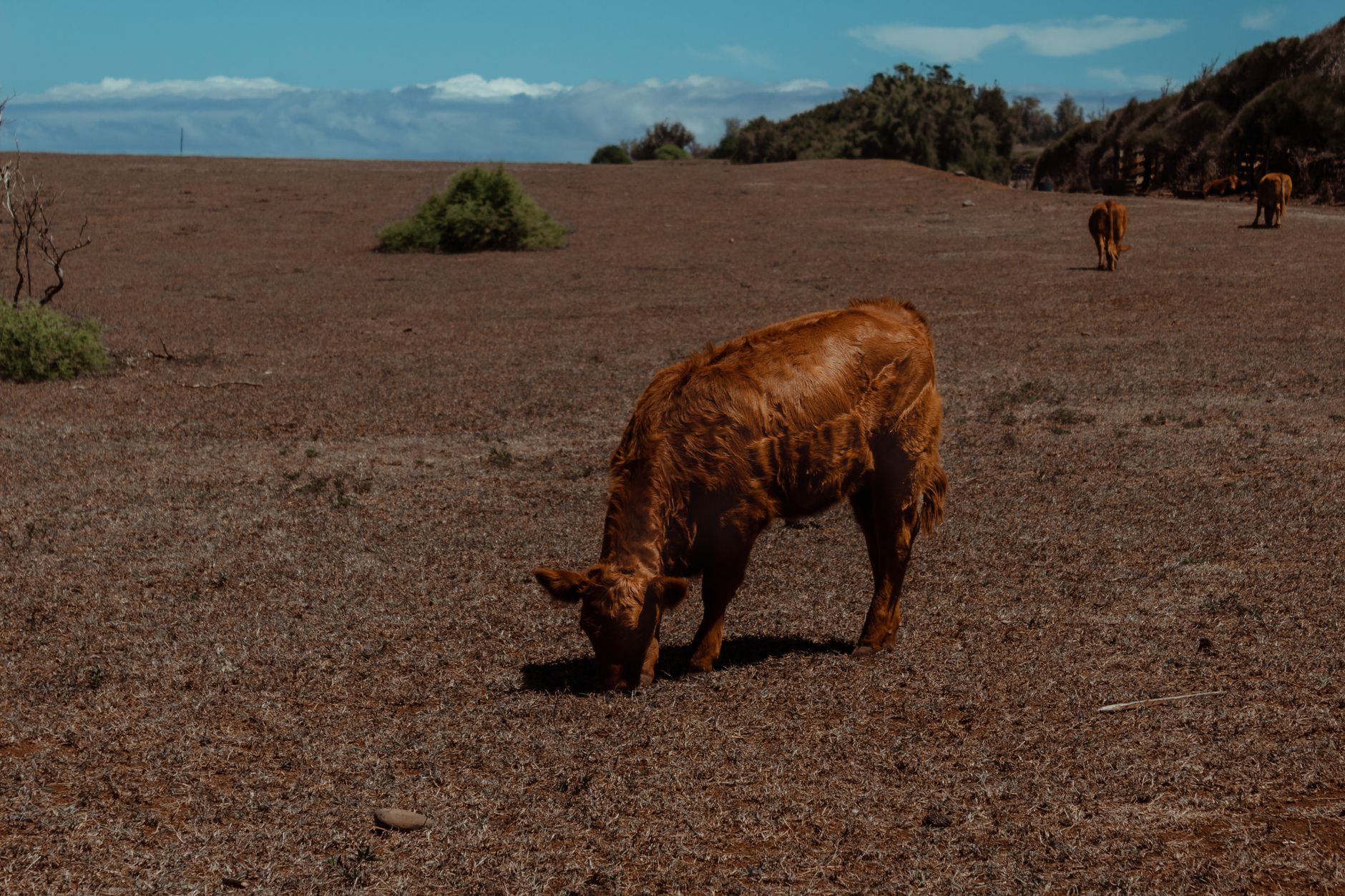
About half of the world’s rangelands are considered degraded to some degree. Overgrazing, agricultural encroachment, and prolonged drought are the main culprits. But climate change is now compounding all three at once.
In the Horn of Africa, four consecutive failed rainy seasons between 2020 and 2022 wiped out an estimated 9.5 million livestock in Kenya, Ethiopia, and Somalia alone. Families lost their wealth overnight. Recovery, where it happened at all, was slow and partial.
Still, the science shows that rangelands are remarkably resilient when managed well. Rotational grazing, seasonal rest periods, and the protection of water points can allow vegetation to recover even after severe stress. The knowledge to do this often already exists among local communities — it just needs support, not displacement.
Policy has been slow to catch up
International climate agreements have historically focused on forests as carbon sinks, leaving rangelands largely outside the formal accounting. That’s starting to shift. The Global Environment Facility and several bilateral donors have increased rangeland-specific funding in recent years, though advocates say it remains inadequate.
“These ecosystems are not empty spaces waiting to be developed,” said a senior land policy adviser at the African Union. “They are productive, managed landscapes that feed millions of people and regulate climate at a scale we’re still learning to measure.”
The gap between what rangelands contribute and what they receive in policy attention remains enormous.
What comes next
Researchers are now pushing for rangelands to be formally integrated into national climate plans, known as NDCs, ahead of the next major UNFCCC review cycle. Some countries — including Kenya, Mongolia, and Argentina — have already begun including pastoral ecosystems in their climate commitments. Others haven’t.
Back in northern Kenya, the herder moves his animals toward a dry riverbed where some moisture still lingers in the soil. He’s adapted before. But each season the margin for error shrinks a little more, and the grass beneath his feet grows a little thinner.