West Bank demolitions surge as global crises demand urgent action
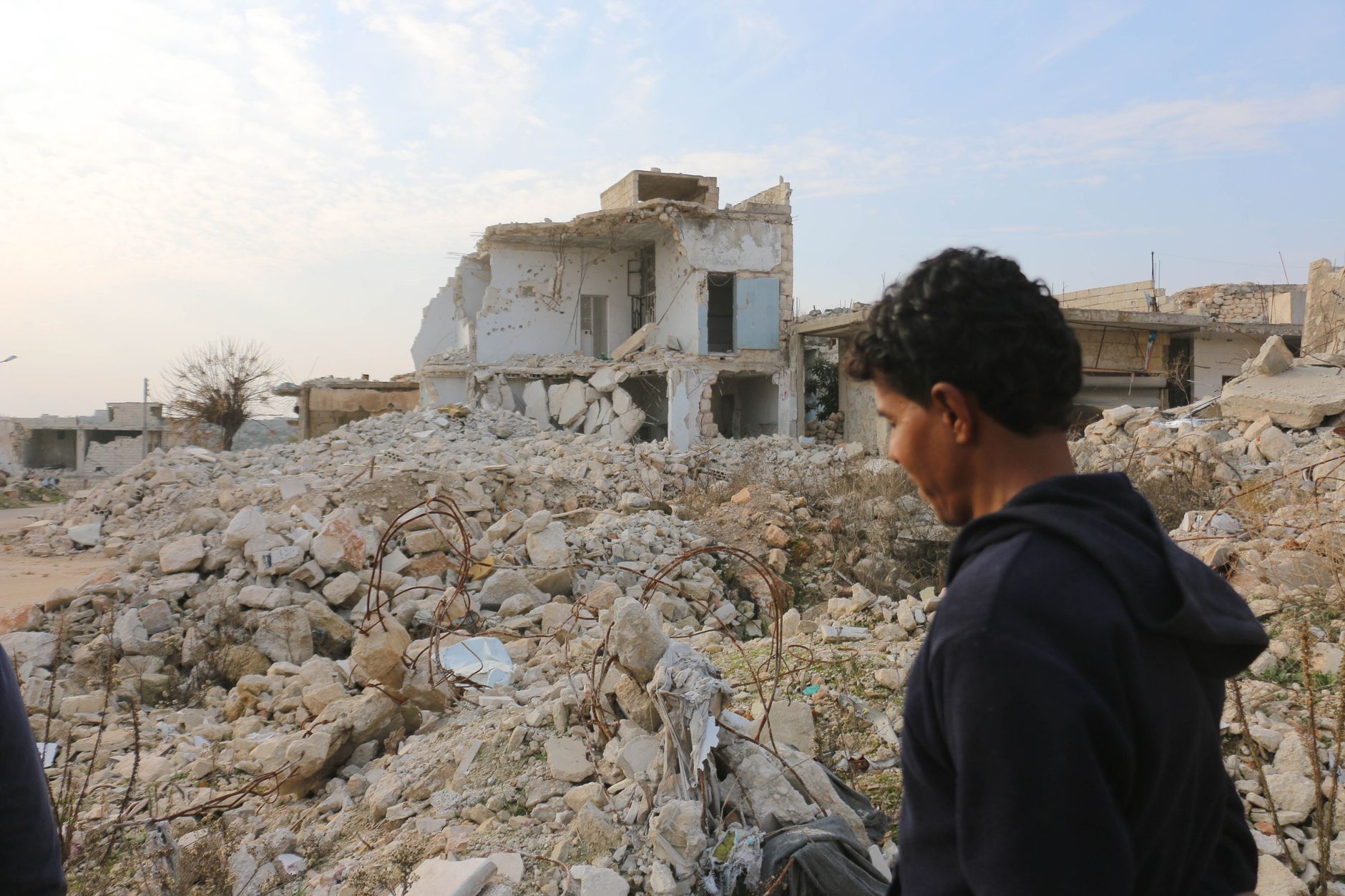
The UN human rights office has sounded the alarm over accelerating Israeli demolitions in the occupied West Bank, warning that the situation is rapidly deteriorating. Entire Palestinian communities are being erased. In Msafer Yatta, a cluster of villages in the South Hebron Hills, authorities have documented what they describe as the “mass destruction” of homes and the forcible transfer of residents — a process that has picked up alarming speed in recent weeks.
West Bank destruction and Sudan’s mounting crisis
The UN Office for the Coordination of Humanitarian Affairs confirmed that at least 40 structures were demolished in Msafer Yatta over a single two-week period, displacing more than 200 people. But the numbers alone don’t capture what’s happening on the ground. Families are losing ancestral homes, grazing land, and water cisterns that communities have relied on for generations. “We are deeply concerned by the scale and pace of these demolitions, which amount to the forcible transfer of a protected population,” a UN human rights spokesperson said.
Meanwhile, Sudan’s catastrophic humanitarian situation is demanding renewed international attention. More than 10 million people have been internally displaced since fighting between the Sudanese Armed Forces and the Rapid Support Forces erupted in April 2023 — making it now the world’s largest displacement crisis. Aid agencies are warning that funding shortfalls are crippling their ability to respond, with the UN’s humanitarian appeal for Sudan only 26 percent funded as of this month. It’s a gap that, if not urgently addressed, could push millions closer to famine.
Haiti violence and a new AI push for gender equality
In Haiti, gang violence continues to drive one of the Western Hemisphere’s worst displacement emergencies. Some 700,000 people are currently displaced inside the country, with Port-au-Prince neighborhoods effectively under the control of armed groups. The newly deployed multinational security support mission has struggled to gain traction, and humanitarian access remains severely restricted. Still, UN agencies say they’re pushing to scale up food distributions before conditions worsen further.
On a more forward-looking note, a newly announced AI hub is set to focus specifically on closing gender gaps in technology and economic participation. The initiative, backed by a coalition of development organizations and private-sector partners, will channel $50 million over five years into training programs targeting women in low- and middle-income countries. Organizers say the goal is practical: get women into the digital economy before the AI transition leaves them further behind.
All four situations will feature prominently at next month’s UN General Assembly high-level week, where member states face growing pressure to move from statements to concrete commitments.