US-Iran war: Hormuz attacks trigger fresh global energy alert
Renewed attacks on commercial shipping in the Strait of Hormuz rattled global energy markets Wednesday, pushing oil prices sharply higher and drawing an urgent warning from the International Maritime Organization as fears of a broader US-Iran war resurfaced with troubling speed.
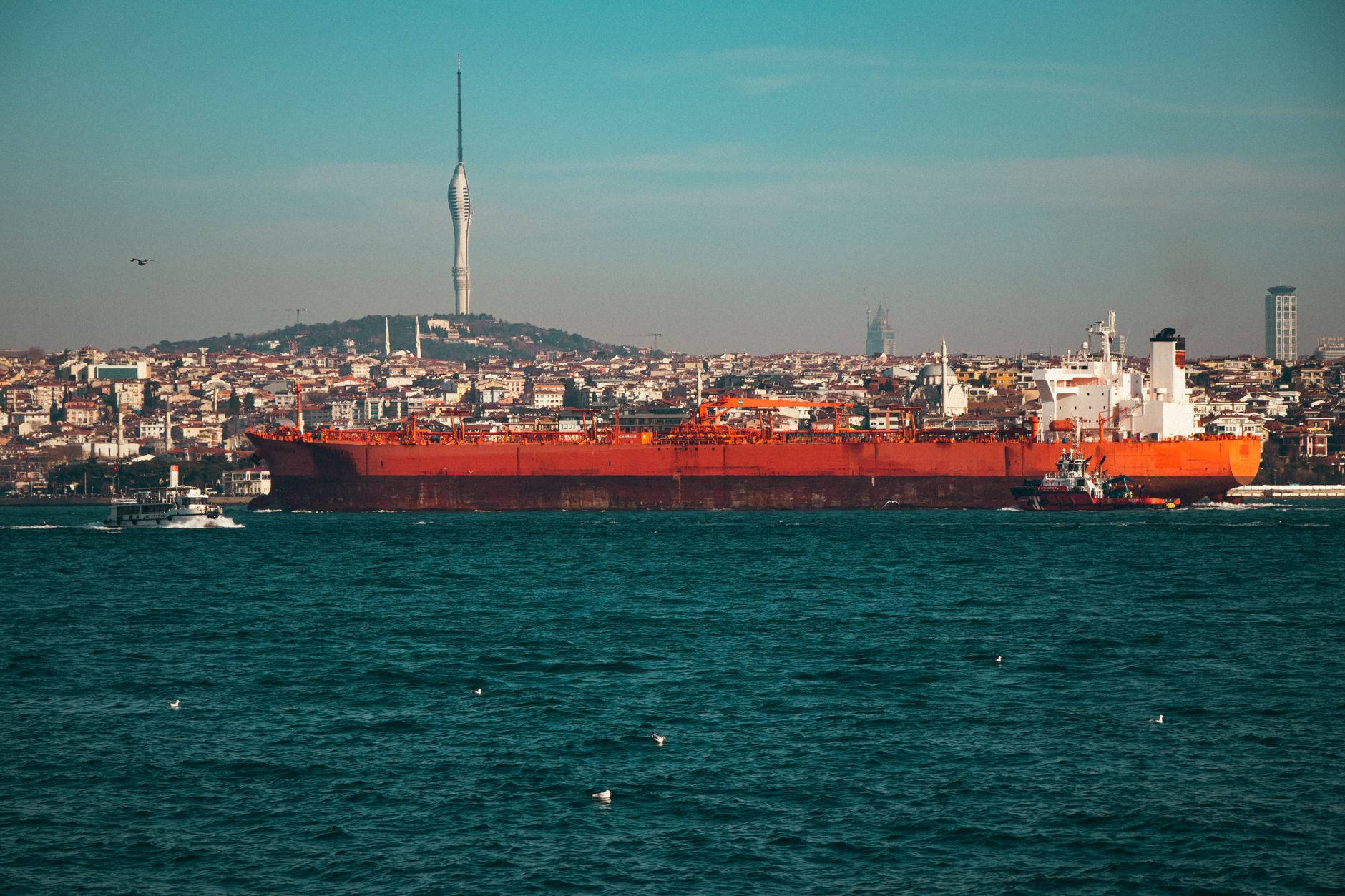
Crude futures jumped more than 4.2% in early trading, with Brent briefly touching $97 a barrel before settling around $95.60. The surge came after at least three tankers reported drone and missile strikes within a six-hour window overnight, according to maritime tracking service MarineTraffic. One vessel, the MV Adriatic Star, a Liberian-flagged crude carrier, sustained significant damage to its stern and was being escorted toward Omani waters by a naval patrol boat Wednesday afternoon.
IMO calls for restraint as shipping lanes falter
The IMO issued a statement Wednesday morning calling for “maximum restraint and de-escalation” from all parties. The agency noted that the Strait of Hormuz handles roughly 21 million barrels of oil per day — about 20% of the world’s total petroleum supply — making it one of the most strategically sensitive waterways on earth.
“Any sustained disruption to navigation in this corridor would have consequences far beyond the region,” said a senior IMO spokesperson in London. “We are urging all member states to prioritize the safety of civilian mariners.”
Still, that plea didn’t appear to be gaining much traction on the ground.
Washington and Tehran trade accusations
The Pentagon confirmed it had repositioned two destroyers, the USS Cole and USS Bulkeley, to the northern Arabian Sea in response to the incidents. US officials stopped short of directly blaming Iran’s Revolutionary Guard Corps, but the language coming out of the State Department wasn’t exactly subtle. A department spokesperson described the attacks as “consistent with Iranian-backed tactics” and warned of a “firm and proportional response” if American assets or allies came under fire.
Tehran denied involvement. Iran’s Foreign Ministry called the accusations “baseless provocation” and suggested the incidents were staged to justify what it called a pre-planned US military escalation in the Gulf region.
Energy markets brace for a prolonged crisis
But markets aren’t waiting for diplomats to sort it out. Several major shipping insurers have already suspended new coverage for vessels transiting the strait, a move that analysts say could effectively freeze commercial traffic within days if the situation doesn’t stabilize.
That’s a scenario nobody wants.
Goldman Sachs issued a note Wednesday warning that a full closure of the strait, even a temporary one, could push Brent crude past $120 a barrel within weeks. Several European energy ministers held emergency calls, and Germany’s economy ministry confirmed it was reviewing its strategic petroleum reserves.
With diplomatic back-channels reportedly frozen and US carrier groups repositioning across the region, the coming 72 hours are being watched with extraordinary anxiety by governments, traders, and shipping companies alike. Nobody’s ruling anything out.