
Europe morning news: Top stories for June 26th, 2026
From a landmark EU energy vote to fresh tensions on the global stage, this Friday morning is packed with stories that matter. Here’s everything you need to know before noon.
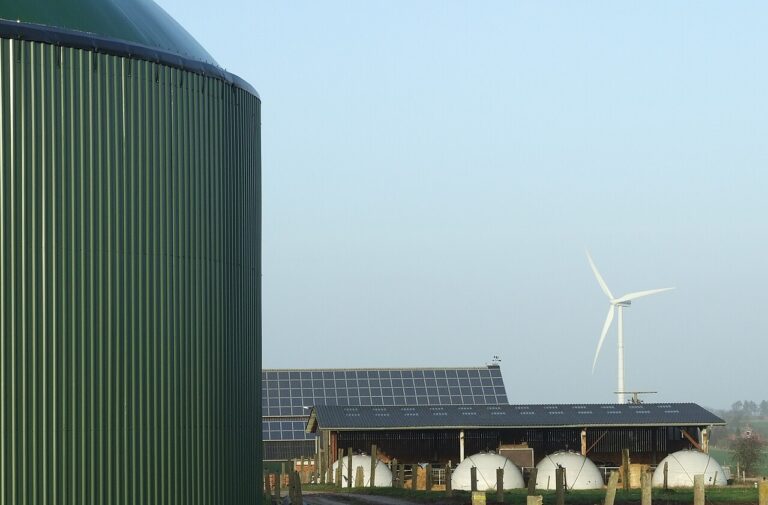
From a landmark EU energy vote to fresh tensions on the global stage, this Friday morning is packed with stories that matter. Here’s everything you need to know before noon.
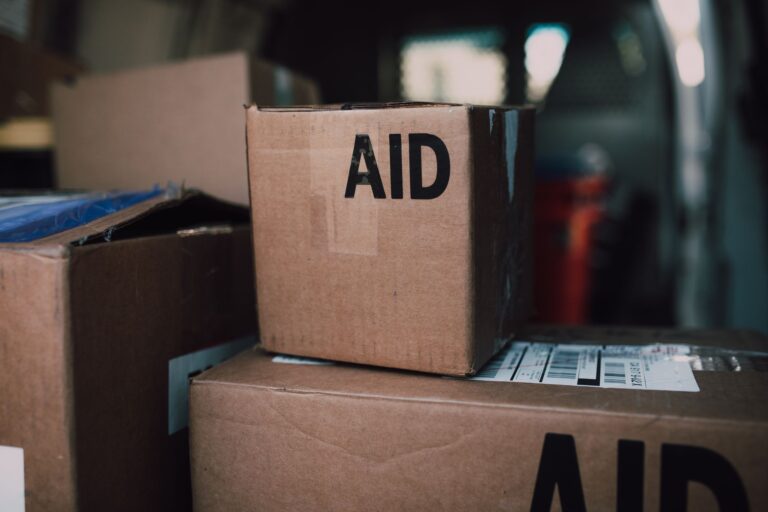
The UN’s top envoy for Sudan warned Wednesday that violence closing in on El Obeid could devastate one of the last functioning humanitarian hubs in the country. With half of Sudan’s population already facing food insecurity, the stakes couldn’t be higher.
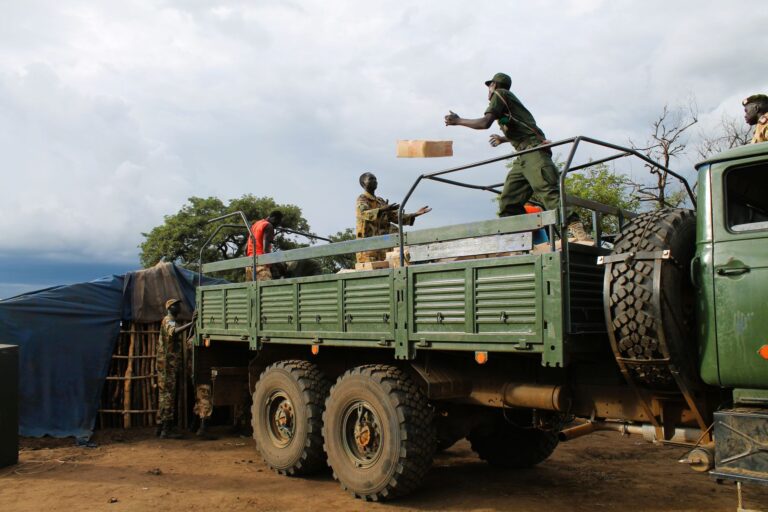
UN Special Representative Valentine Rugwabiza told the Security Council that the Central African Republic has made real peace progress — but warned it could unravel fast. Border instability tied to Sudan’s war is among the biggest threats.
The European Union’s flagship industrial policy proposal is drawing sharp criticism from economists at Bruegel, who warn that key provisions could backfire badly. Here’s what they say needs to change.
From fresh diplomatic tensions in Eastern Europe to a surprise economic announcement out of Brussels, it’s been a packed morning. Here’s everything you need to know heading into the afternoon of June 24th, 2026.
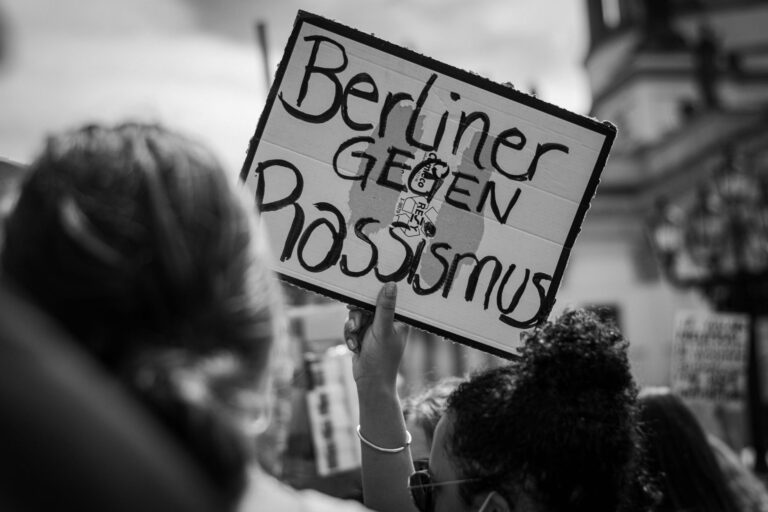
The ICE raids are officially over, but Minneapolis immigrant communities say the fear never left. Six months later, families are still rebuilding what was lost.
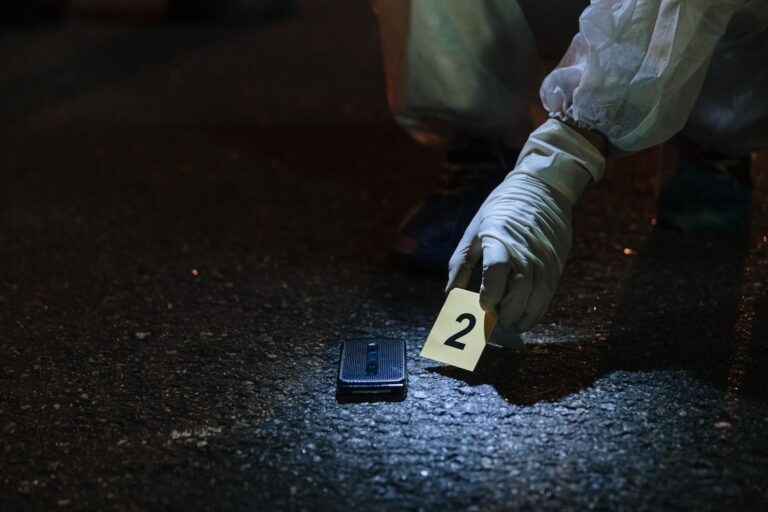
Foreign criminal networks from Nigeria, Albania, and beyond are reshaping Italy’s organized crime landscape in ways prosecutors say they’ve never seen before. Italy’s mafia problem isn’t going away — it’s just changing hands.

A new YouGov poll shows majorities in France and Germany support the UK rejoining the EU, ten years after the Brexit vote. But Britain’s political class isn’t asking the question.

Kylian Mbappé scored twice as France produced a dominant 4-1 victory over Iraq in their World Cup 2026 opener in Kansas City — a match delayed nearly 90 minutes by a severe thunderstorm. It was the kind of performance that sends a warning to every other team in the tournament.
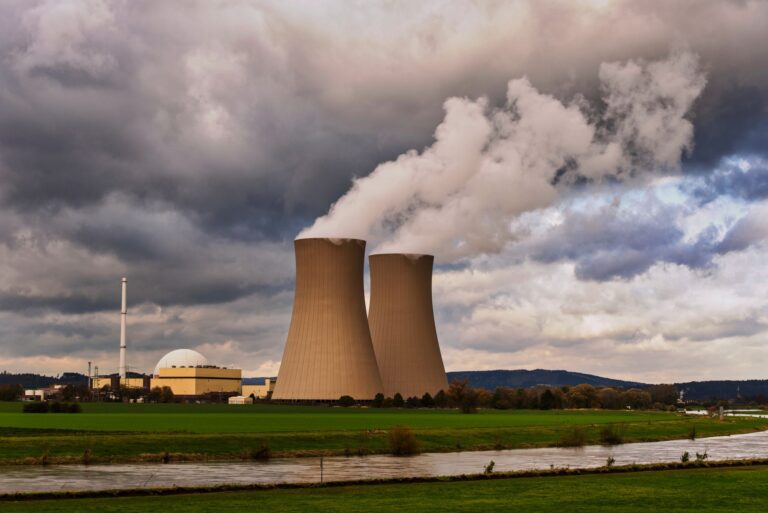
Vice President JD Vance announced Monday that UN nuclear inspectors will return to Iran after Washington suspended a portion of oil sanctions for an initial 60-day window. It marks the most significant diplomatic breakthrough in nuclear talks in years.
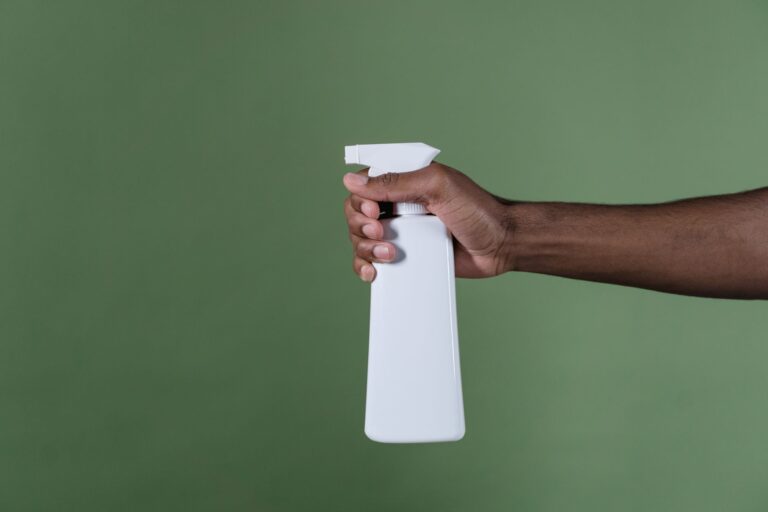
Dettol has apologised after a Chinese ad campaign featuring a man seeking a woman ‘not tainted by other men’ triggered a massive sexism backlash. The controversy racked up over 120 million views on Weibo within two days.
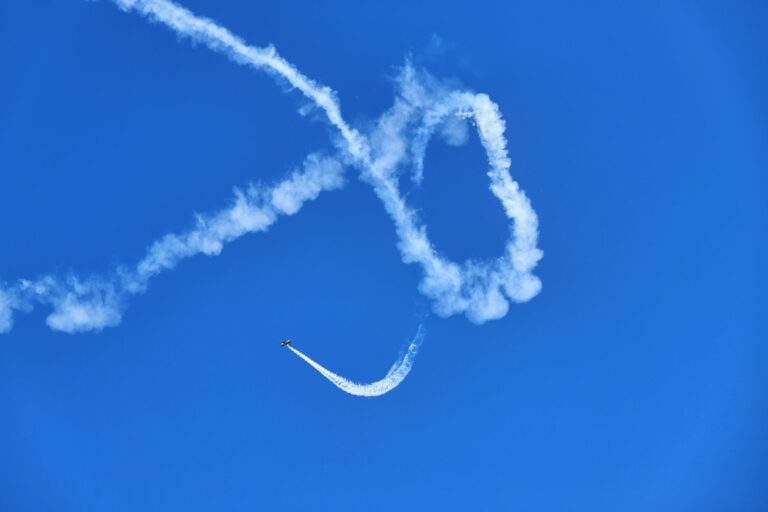
France’s Patrouille de France aerobatic team turned Washington’s skies red, white and blue on Thursday in a dramatic salute to 250 years of American independence. The nine-jet formation swept over the National Mall and Lincoln Memorial in a rare ceremonial flyover rooted in centuries of transatlantic friendship.
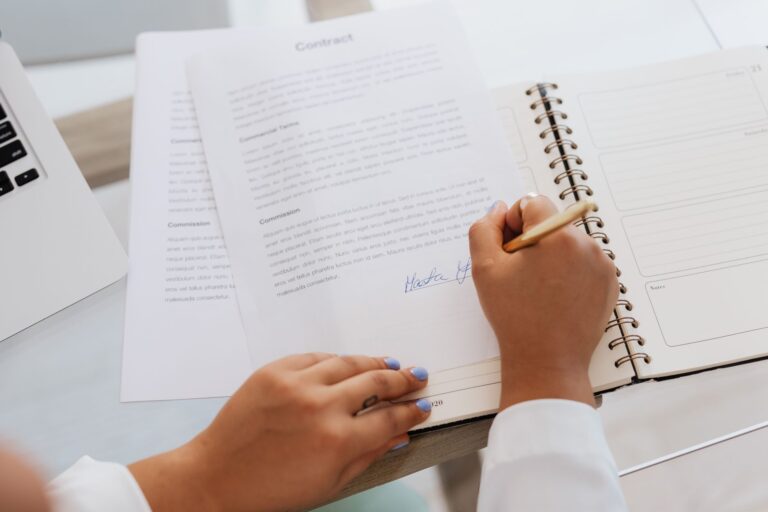
Mediators declared significant progress in the latest round of Iran-US nuclear talks held in Muscat, raising cautious hopes for a deal. But major sticking points over sanctions relief and uranium enrichment levels remain unresolved.
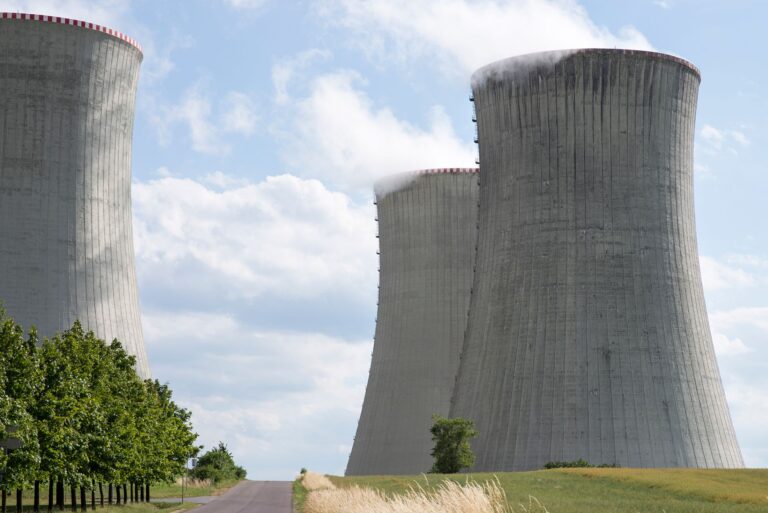
Iran’s foreign ministry directly contradicted US Vice President JD Vance on Tuesday, saying no IAEA inspections are scheduled at nuclear sites struck by American airstrikes. The dispute raises serious questions about what, if anything, was actually agreed during recent talks in Switzerland.
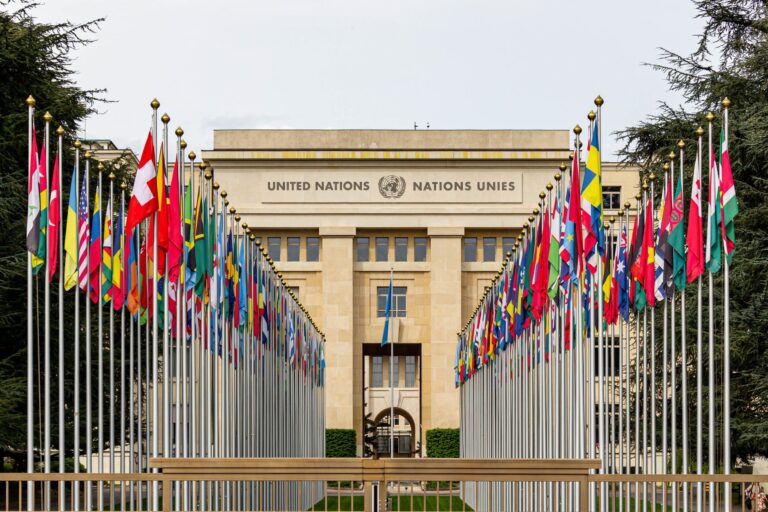
Iran and the US have agreed on a mechanism to keep the Strait of Hormuz open after 18 hours of talks in Switzerland, even as Trump threatened to hit Tehran harder. JD Vance called the sessions a “very good foundation” for a broader deal.

The EU’s next €2 trillion long-term budget is already triggering fierce battles between frugal northern states and net-receiver nations in the south and east. New demands for defence and climate spending are scrambling the old alliances entirely.
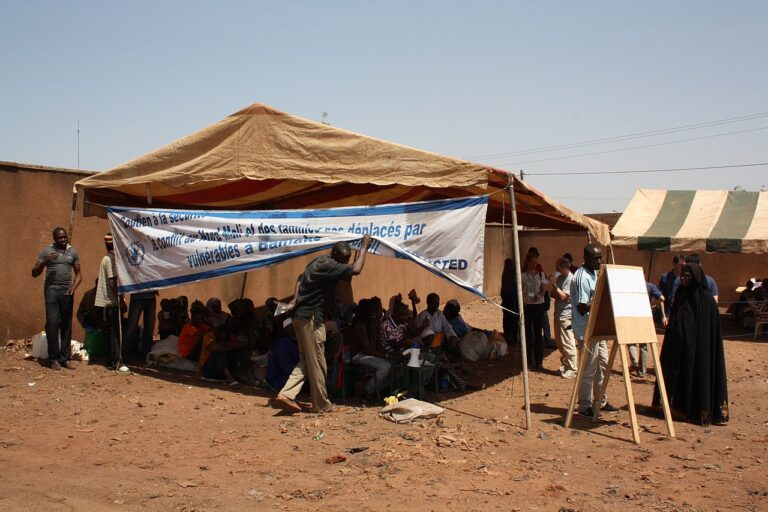
Pope Leo called food access a ‘fundamental human right’ during a visit to WFP headquarters in Rome, as Gaza’s humanitarian crisis deepens and Lebanese families return to damaged homes. Three stories shaping the global humanitarian landscape this week.
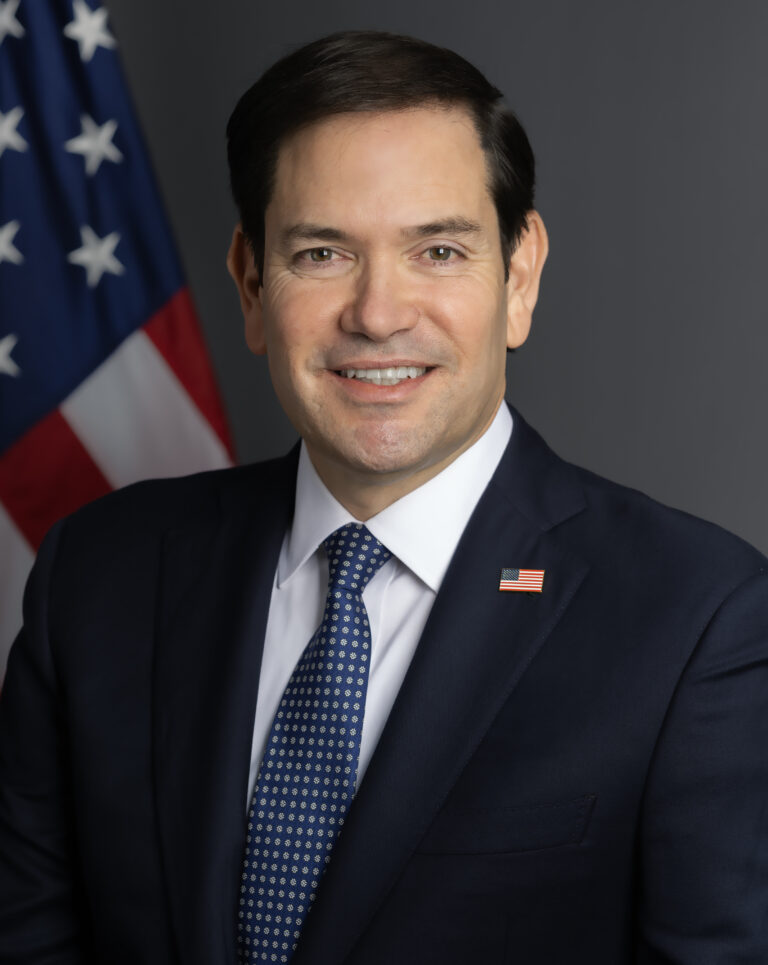
Secretary of State Marco Rubio begins a three-country Gulf tour Tuesday facing allied anger over being shut out of US military strikes on Iran. He’s also asking those same partners to fund Iran’s reconstruction — a pitch that’s going over badly.
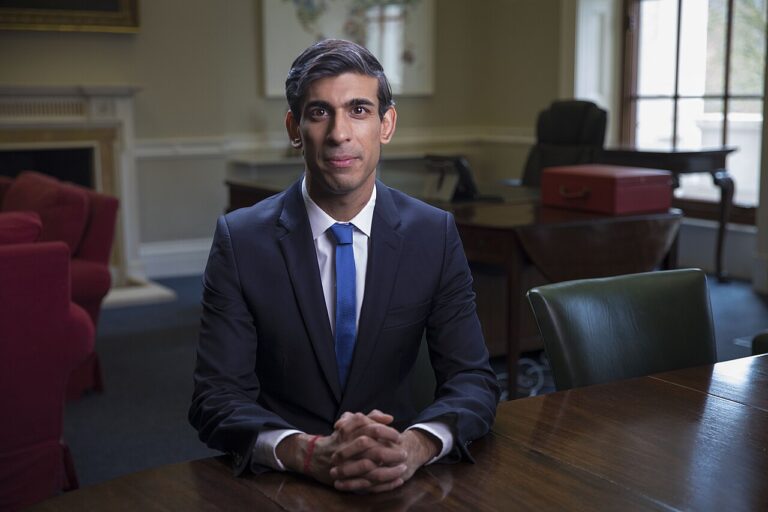
Wars fill front pages, but preventing them is a different — and far quieter — business. The UN Peacebuilding Fund has committed over $1.6 billion across 60 countries to stop conflicts before they start.
Nineteen-year-old Stephane Kulimushi fled the DRC at 13 and found stability through basketball. Now he’s using the sport to give 34 young refugees in Kampala the same lifeline.